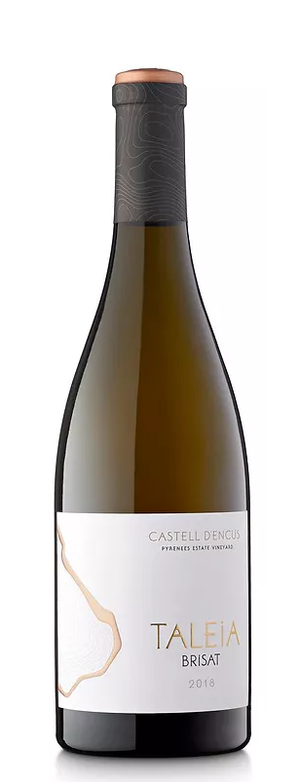
Castell d'Encus 位於西班牙加泰隆尼亞庇利牛斯山脈的 Costers del Segre 產區,由前 Torres 酒莊首席釀酒師 Raul Bobet 創立。他希望在全球暖化下仍能釀出心中理想的葡萄酒,於是選址海拔 1,000 米的 Talarn 村,展開釀酒計劃。
酒莊旁的古老修道院仍保留 12 世紀僧侶手鑿石窖,Raul 受此啟發,還原古法釀酒,將部分葡萄於石窖發酵,再轉至不鏽鋼或橡木桶陳年。他憑工程背景設計地熱能源系統,推動酒莊運作,實踐可持續理念。
Raul 喜愛哲學和冥想,酒款多以梵文或葡萄生長地命名。他的釀酒理念簡單卻深刻:
「我們希望釀造出風格非常清晰的葡萄酒,以新鮮度為支柱,避免過度成熟與萃取。 我們追求優雅和含蓄,但又不放棄葡萄酒的複雜性和圓潤感。」
為實現這理想,於葡萄種植和釀造過程等細節上,必須花上無比的心思和管理能力。幕後亦有著熟練的專業團隊協助,才能在不可預料的天氣下,仍能釀出令人感動的佳釀。
Castell d'Encus 毫無疑問是近年最令人振奮的西班牙酒莊。而 Raul 亦是 Priorat 名莊 Ferrer Bobet 的創辦人之一,持續在高山地帶探索葡萄酒的極致可能。
此酒未經澄清,有機會出現沉澱物。亦因為沒加二氧化硫,所以應保存在清涼地方避免不必要演化。

產區保護條例:
Costers del Segre DOP
產地:
西班牙加泰隆尼亞
種類:
自然橙酒 (Natural Skin Contact Orange Wine)
葡萄品種:
100% Sauvignon Blanc
酒精度:
12%
容量:
750毫升
釀造:
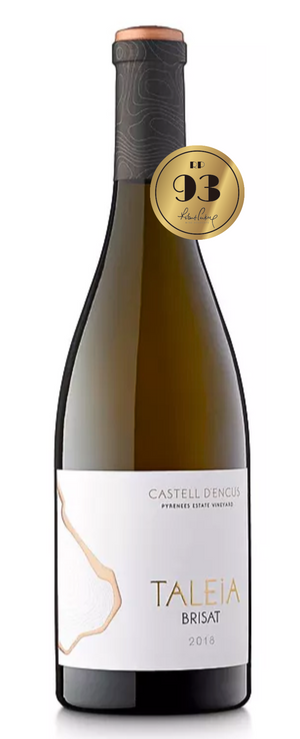
Taleia Brisat 前身是 2013-2016 年的 -(Minus) SO2,在高山石窖原生酵母發酵,無濾過,無添加SO2。2017年開始改變為 Taleia Brisat,Brisat 在加泰隆尼亞語解作 "Skin Contact",用原串葡萄連皮發酵來增加風味,一如 Orange Wine 的製法。2017 年採用 Semillon 和 Sauvignon Blanc,同樣高地石窖原生酵母發酵,稱得上是 Semillon 的無濾過巔峰之作;而 2018 年稀有地用 100% Sauvignon Blanc,味道之複雜,絕對值得品味。

2018 年較 2017 年果香更豐厚(橙酒造法連皮浸泡),酒體和酸度完美地結合,配搭港式蒸海鮮類別,風味更有驚喜。
品酒筆記:
(Robert Parker's rating: 95 points)
葡萄去梗後與果皮一同進行了極輕柔的淋皮(Punching down),以避免萃取出苦澀的風味。因此,果皮對香氣甚至酒色的影響都相當輕微。令人驚訝的是,這款酒沒有添加任何二氧化硫,卻依然乾淨精準,毫無變質或雜味。非常美味,單寧細緻,並帶有微妙的礦物感與粉質質地。 2019 年 7 月裝瓶 4,500 瓶。
色:稻草般的金黃色。
香:帶有山梨樹的果味與完美的成熟度,像精緻的糕點,亦有淡淡的洋甘菊香味。
味:口感絲滑,有杏桃醬的味道,新鮮度和酸度良好。餘韻複雜,果味悠長。
注意:此酒酸度較高,只要在適當的條件和溫度下儲存,可以比一般的自然酒陳年更久。沒有經過過濾,有機會產生沉積物。
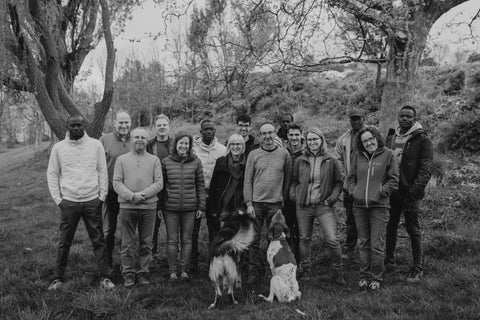
Castell d'Encus is one of Spain’s most exciting and visionary wine estates, founded by Raul Bobet, former head winemaker at the iconic Torres winery. In 2001, driven by a desire to craft wines less affected by climate change, Bobet discovered the remote village of Talarn, perched 1,000 meters high in the Pyrenees subzone of the Costers del Segre appellation.
This dramatic altitude brings intense diurnal temperature shifts, lending purity, freshness, and elegance to the wines. But what truly sets Castell d'Encus apart is its revival of ancient winemaking methods: the estate features 12th-century hand-carved stone lagars, once used by monks, now restored and repurposed for natural fermentation. Today, most of the wines begin their journey in these historic vats before aging in stainless steel or oak.
Bobet’s approach is deeply philosophical and sustainable. The wines are crafted with minimal intervention—no chemicals, low sulfur—and the entire estate is powered by geothermal energy. Many of the wines are named in Sanskrit or after the vineyards where the grapes are grown, reflecting a meditative and site-driven ethos.
While the ancient process is remarkable, it’s the results that truly matter: wines of clarity, complexity, and emotional resonance. Bobet’s work at Castell d'Encus is complemented by his role at Ferrer Bobet in Priorat, a joint venture with entrepreneur and wine lover Sergi Ferrer-Salat, where he continues to explore the potential of mountain viticulture.
Appellation:
Costers del Segre DOP
Country of Origin:
Catalonia, Spain
Type:
Natural Orange Wine
Grape Variety:
Sauvignon Blanc
Alcohol Content:
12%
Volume:
750mL
Vinification:
Taleia Brisat was formerly known as -(Minus)SO2 from 2013 to 2016. It was fermented with native yeast in 12th century stone lagares, without filtration and zero SO2 was added. It was changed to Taleia Brisat in 2017, Brisat is the Catalan word for "skin contact". The whole brunch of grapes are fermented with skins to increase the flavour, just like the method of making Orange Wine. In 2017, Semillon and Sauvignon Blanc were used, which are also fermented with natural yeast in highland stone cups, that can be regarded as the peak of unfiltered Semillon. The 2018 vintage used 100% Sauvignon Blanc, the taste is so delicate and complex, which is definitely worth trying.
Tasting Notes:
(Robert Parker's rating: 95 points)
The punching down of the grapes (without stems) with the skins was ultra light to avoid extracting bitter notes. So the skin effect on the nose and even the color is quite light. Amazingly enough, there are no added sulfites here, and the wine is clean and precise, with no deviations whatsoever. This is very tasty and has very fine tannins and a subtle minerality that is a chalky texture. 4,500 bottles were filled in July 2019.
On the view – Golden straw.
On the nose – Contrast between sorb tree fruits and ripeness, with fine pastry notes and light notes of chamomile.
In the mouth – Silky palate with hints of apricot compote. Long with good freshness and acidity. After taste is long, fruity and complex.
Comments – This wine can develop sediments, because of the lack of clarification. Thanks to its acidity it will have a better aging than the average of natural wines, as long as it is stored under suitable conditions.